Network equipment is replaced every few years, but the cables run inside walls and false ceilings usually stay for ten to fifteen years. That is why the quality of cabling determines how far your organization's network can be upgraded in the years ahead.
What is structured cabling?
Structured cabling is a standard method for organizing data and voice cables. Instead of cables run haphazardly from every switch to every desk, there is a defined structure: horizontal cabling from each desk outlet to the floor's telecom room, vertical cabling (backbone) between floors and the server room, and patch panels where everything is labeled and organized.
Cable Selection
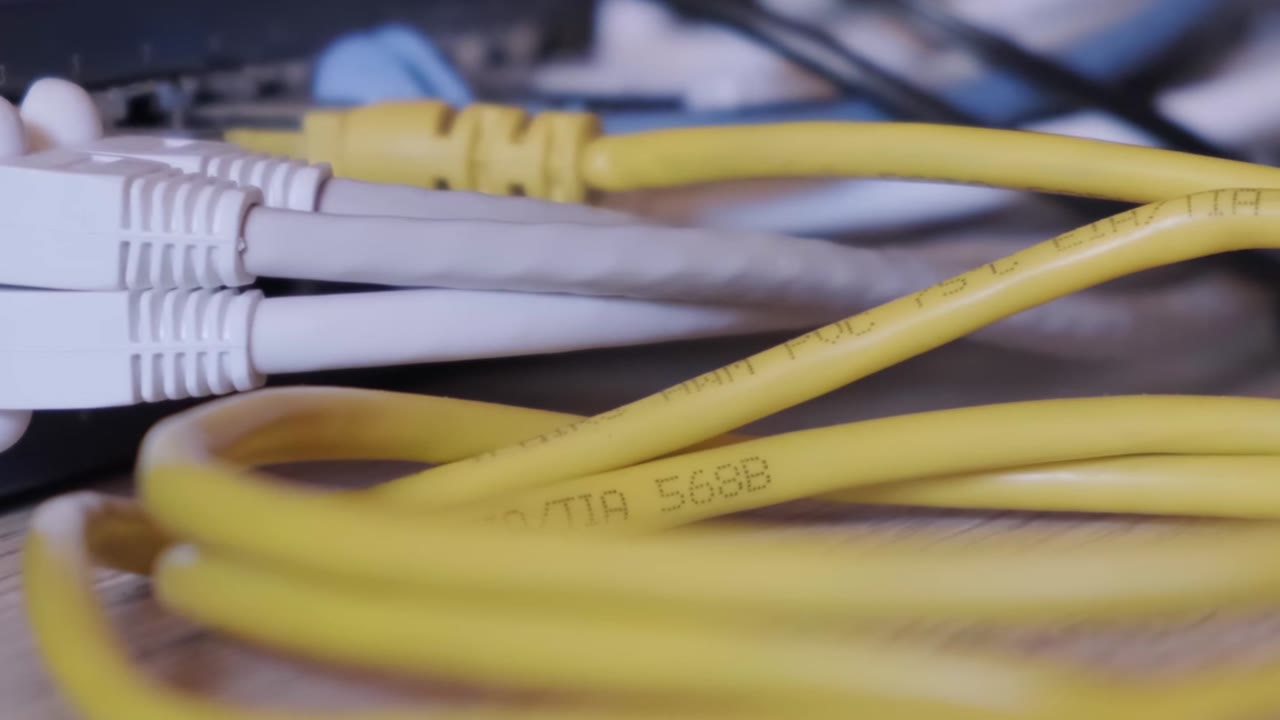
For today's networks, Cat6 or Cat6A cabling is the minimum sensible choice and supports ten-gigabit speeds. For connecting floors and buildings, and wherever distances are long, fiber optic is more suitable. Saving on cable type is usually paid back later with higher costs.
Implementation Tips
Observe the maximum length of 90 meters for horizontal copper cable.
Keep a distance from power cables and noise sources.
Observe the bend radius and avoid putting stress on cables in ducts and trays.
Labeling both ends of every cable with a unique number.
Testing and certifying every link with a tester and delivering the report.
Documentation
The outlet map, the number of each port on the patch panel, and the cable routes must be written down and kept up to date. With this documentation, relocating an employee or finding a faulty link takes minutes, not hours.
Tidy telecom room
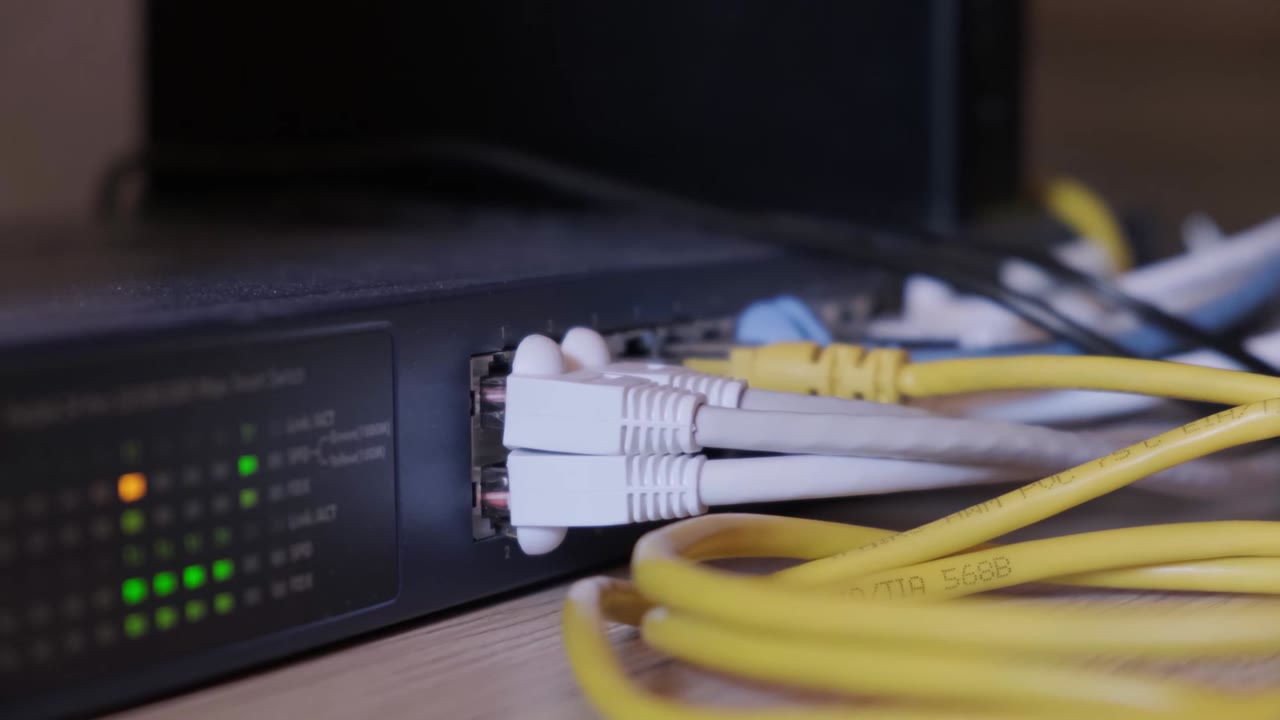
A tidy rack, cable management, proper ventilation and backup power (UPS) are all part of this infrastructure. A crowded telecom room not only makes troubleshooting harder, it also increases the risk of unplanned outages.
Modern Shabakeh Partak delivers structured copper and fiber-optic cabling with full testing, labeling and documentation.